





2000 Watt Car Inverter Guide 2026: Best High-Capacity Mobile Power Solutions
- What can a 2000 watt car inverter run?
- The "Power Budget" Breakdown
- Quick Summary: Key Takeaways for 2026 Mobile Power
- Technical Deep Dive: Continuous vs. Surge Wattage
- Why This Matters
- Battery and Alternator Requirements: The 2026 Standard
- The Shift to LiFePO4 (Lithium Iron Phosphate)
- Alternator Health Warning
- Expert Installation: Common Mistakes to Avoid
- Inverter Cable Gauge Chart (12V System)
- The 2026 Tech Gap: Smart Apps and GaN Tech
- Frequently Asked Questions (FAQ)
- Can a standard car alternator handle a 2000 watt inverter?
- How long will a car battery last with a 2000 watt inverter?
- Do I need a Pure Sine Wave or Modified Sine Wave inverter?
- What size fuse do I need for a 2000 watt inverter?
- Can I run a 2000W inverter through the cigarette lighter plug?
- Will a 2000 watt inverter run a hairdryer?
- What gauge wire is best for a 2000W car inverter?
- Is it safe to leave a 2000 watt inverter on while the car is off?
- References
Mobile power technology has leaped forward, and for 2026, a Pure Sine Wave Inverter 2000W is the gold standard for road warriors and off-grid enthusiasts. Whether you are running a remote office from a Ford Maverick or brewing coffee at a campsite, understanding how to manage this level of power is critical for safety and efficiency.
What can a 2000 watt car inverter run?
A 2000 watt car inverter acts as a robust mobile power hub capable of running high-draw kitchen appliances like microwaves and coffee makers while simultaneously powering multiple low-wattage devices like laptops and LED lights. It bridges the gap between simple vehicle charging and full RV-style amenities.
The "Power Budget" Breakdown
To avoid tripping your system, you must understand your "Power Budget." A 2000W unit provides 2000 watts of Continuous Power, but specific appliances require much more for brief moments.
- High-Draw Appliances (Run One at a Time):
- Microwave Oven: 1000W – 1500W
- Coffee Maker: 800W – 1200W
- Hair Dryer: 1200W – 1800W
- Induction Cooktop (Single Burner): 1200W – 1800W
- Medium/Low-Draw Devices (Run Simultaneously):
- Laptop Charger: 60W – 100W
- CPAP Machine: 30W – 60W
- Starlink Roam: 50W – 75W
- LED Work Light: 10W – 20W
Critical Limit: While you can plug in a power strip, the total sum of all running devices must stay below 2000 watts. Manufacturers like Guangzhou Congsin Electronic Technology Co., Ltd. design their units with overload protection to shut down safely if this limit is exceeded, but constant overloading can degrade components over time.
Quick Summary: Key Takeaways for 2026 Mobile Power
The landscape of mobile power is shifting rapidly. By 2026, the bulky, inefficient inverters of the past are being replaced by smarter, cooler, and more efficient units.
- GaN Technology is King: Modern high-end inverters utilize Gallium Nitride (GaN) transistors. Data from 2025 market reports indicates that GaN-based inverters achieve DC to AC Power Conversion Efficiency rates of over 95%, significantly higher than older silicon-based models.
- Smart Monitoring: Bluetooth app integration is now an industry standard, allowing users to monitor Car Battery Discharge Rate and internal temperatures from their smartphones.
- Pure Sine Wave Necessity: For 2026-era electronics, a Pure Sine Wave Inverter 2000W is mandatory. Modified sine wave units produce "noisy" power that can cause overheating in device batteries and glitches in sensitive medical equipment like CPAP machines.
Technical Deep Dive: Continuous vs. Surge Wattage
Continuous Wattage is the power an inverter can supply indefinitely without overheating, while Surge Wattage is the brief burst of power (usually 2x the continuous rating) available for 1-2 seconds to start electric motors.
Why This Matters
Appliances with compressors (like mini-fridges) or pumps need a massive jolt of electricity to start spinning. A fridge might only use 100 watts to run, but it needs 1200 watts to start.
- Continuous Rating: 2000 Watts (What you can run all day).
- Surge/Peak Rating: 4000 Watts (What you can run for 1 second).
Reliability in these surge moments is where manufacturing quality shines. Companies with decades of experience, such as Guangzhou Congsin, utilize advanced instrumentation on their automated production lines to rigorously test these peak thresholds, ensuring the inverter doesn't fail when your fridge kicks on.
Battery and Alternator Requirements: The 2026 Standard
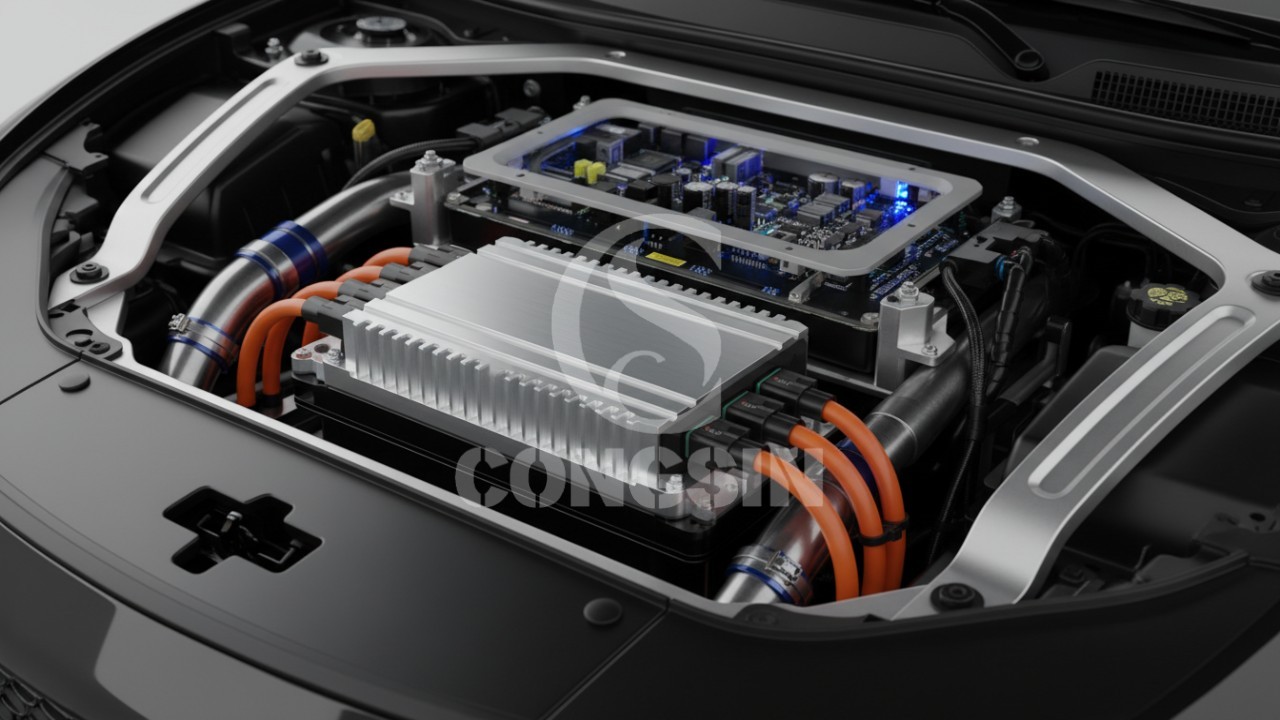
A battery car inverter system is only as strong as its fuel source. A 2000W load pulls approximately 170 to 200 Amps from a 12V battery bank. This is a massive load that most standard car batteries cannot sustain.
The Shift to LiFePO4 (Lithium Iron Phosphate)
In 2026, Lead-Acid batteries are considered obsolete for high-capacity inverters.
- Efficiency: According to 2025 energy storage data, Lead-Acid batteries have a round-trip efficiency of only 80-85%, whereas LiFePO4 batteries achieve 95-98% efficiency.
- Usable Capacity: You can safely discharge a LiFePO4 battery to 0%, effectively doubling the usable power compared to a Lead-Acid battery, which should not be drained below 50%.
- Voltage Stability: Lithium batteries maintain a steady voltage (above 12.8V) until they are empty. Lead-Acid voltage drops as you use it, which can trigger the inverter's low-voltage alarm prematurely.
Alternator Health Warning
Do not rely on your stock alternator. Most standard vehicle alternators produce 80-120 Amps. A 2000W inverter drawing 170 Amps will drain your battery even while the engine is running and can overheat your alternator. For continuous use, an alternator upgrade or a separate battery bank charged via DC-DC charger is required.
Expert Installation: Common Mistakes to Avoid
Wiring is the most common point of failure. Using undersized cables creates resistance, which manifests as heat and voltage drop, potentially causing fire hazards or inverter shutdowns.
Inverter Cable Gauge Chart (12V System)
| Cable Length (One Way) | Recommended Wire Gauge | Max Current Capacity |
|---|---|---|
| Under 3 Feet | 1/0 AWG (0 Gauge) | ~285 Amps |
| 3 to 6 Feet | 2/0 AWG (00 Gauge) | ~330 Amps |
| 6 to 10 Feet | 4/0 AWG (0000 Gauge) | ~440 Amps |
Installation Rules:
- Fuse Placement: Always install a 250A ANL Fuse on the positive cable within 12 inches of the battery terminal. This protects your vehicle from fire in case of a short circuit.
- Grounding: Ensure the chassis ground is secure and on bare metal (scrape away paint). Poor grounding causes "humming" in audio equipment and fluctuating power delivery.
- Cable Quality: Use pure copper welding cable. Avoid "CCA" (Copper Clad Aluminum) wire, which has higher resistance and heats up under heavy loads.
The 2026 Tech Gap: Smart Apps and GaN Tech
The newest generation of inverters is defined by intelligence. Instead of guessing how much battery life is left, 2026 models communicate directly with your device.
- Predictive Alerts: Algorithms analyze your Car Battery Discharge Rate and notify you before the system shuts down.
- Active Cooling: AI-controlled cooling fans adjust speed based on the load, making modern units significantly quieter than their predecessors.
- Automated Power Shedding: Some advanced units can integrate with vehicle CAN bus systems to automatically cut power to non-essential loads (like the coffee maker) if the battery reaches a critical level, ensuring you always have enough power to start the engine.
Frequently Asked Questions (FAQ)
Can a standard car alternator handle a 2000 watt inverter?
Most standard alternators (80-120A) cannot sustain a full 2000W load while idling. A 2000W load draws roughly 170 Amps. High-output alternators or high-idle kits are recommended for continuous heavy use to prevent alternator overheating.
How long will a car battery last with a 2000 watt inverter?
A typical 100Ah lead-acid battery will be depleted in approximately 15-20 minutes under a full 2000W load. However, a 100Ah LiFePO4 battery will last roughly 30-40 minutes because it handles high discharge rates much more efficiently.
Do I need a Pure Sine Wave or Modified Sine Wave inverter?
Pure Sine Wave Inverter 2000W units are required for any device with a microprocessor, including laptops, modern kitchen appliances, and CPAP machines. Modified Sine Wave is cheaper but can damage sensitive equipment, cause overheating, and create visual interference on TV screens.
What size fuse do I need for a 2000 watt inverter?
A 200-amp to 250-amp ANL fuse is typically required for a 12V 2000W system. The fuse acts as the weak link to burn out safely if a short circuit occurs, protecting your expensive battery and vehicle wiring.
Can I run a 2000W inverter through the cigarette lighter plug?
No. Cigarette lighter sockets are usually fused at 10-15A (about 150W max). A 2000W inverter must be wired directly to the battery with heavy-gauge cables (minimum 1/0 AWG) to handle the massive current flow safely.
Will a 2000 watt inverter run a hairdryer?
Yes, most hairdryers use between 1200W and 1875W. Ensure the inverter is rated for 'Continuous' use at these levels. However, using it on the highest heat setting will drain a standard car battery very quickly.
What gauge wire is best for a 2000W car inverter?
Refer to the Inverter Cable Gauge Chart: For runs under 5 feet, use 1/0 AWG (0 Gauge) pure copper wire. For longer runs (up to 10 feet), 2/0 AWG or 4/0 AWG is necessary to prevent significant voltage drop and fire hazards.
Is it safe to leave a 2000 watt inverter on while the car is off?
It is generally unsafe as the 'no-load current' (standby power) will slowly drain your battery even if nothing is plugged in. Most 2026 models feature an auto-shutoff when battery voltage drops below 11.5V to save your ability to start the car.
References


Modified Sine Wave Inverters
Is it normal for the inverter to heat up when working?
It is normal for it to generate some heat when working. If the temperature is too high (e.g., hot to the touch), please stop using it and check if the load is overloaded.
Does the UPS function require additional mains connection?
Yes. The inverter needs to be connected to a home/office socket via the included mains cable, and the device will automatically detect the mains status; when the mains power is interrupted, it will switch to battery power immediately.
Can this inverter support both 12V and 24V inputs
Yes, it can work with different voltage systems via selectable input terminals.
Products
Can I customize the logo?
Yes, OEM/ODM service is available.
Pure Sine Wave Inverters
Can the 3 AC sockets drive high-power devices at the same time?
Yes, but it is necessary to ensure that the total power of the 3 devices does not exceed 2000W (continuous power). For example, it can drive 1 1000W electric oven + 1 500W microwave + 1 400W printer at the same time (total power 1900W), avoiding total power overload to trigger the protection mechanism.
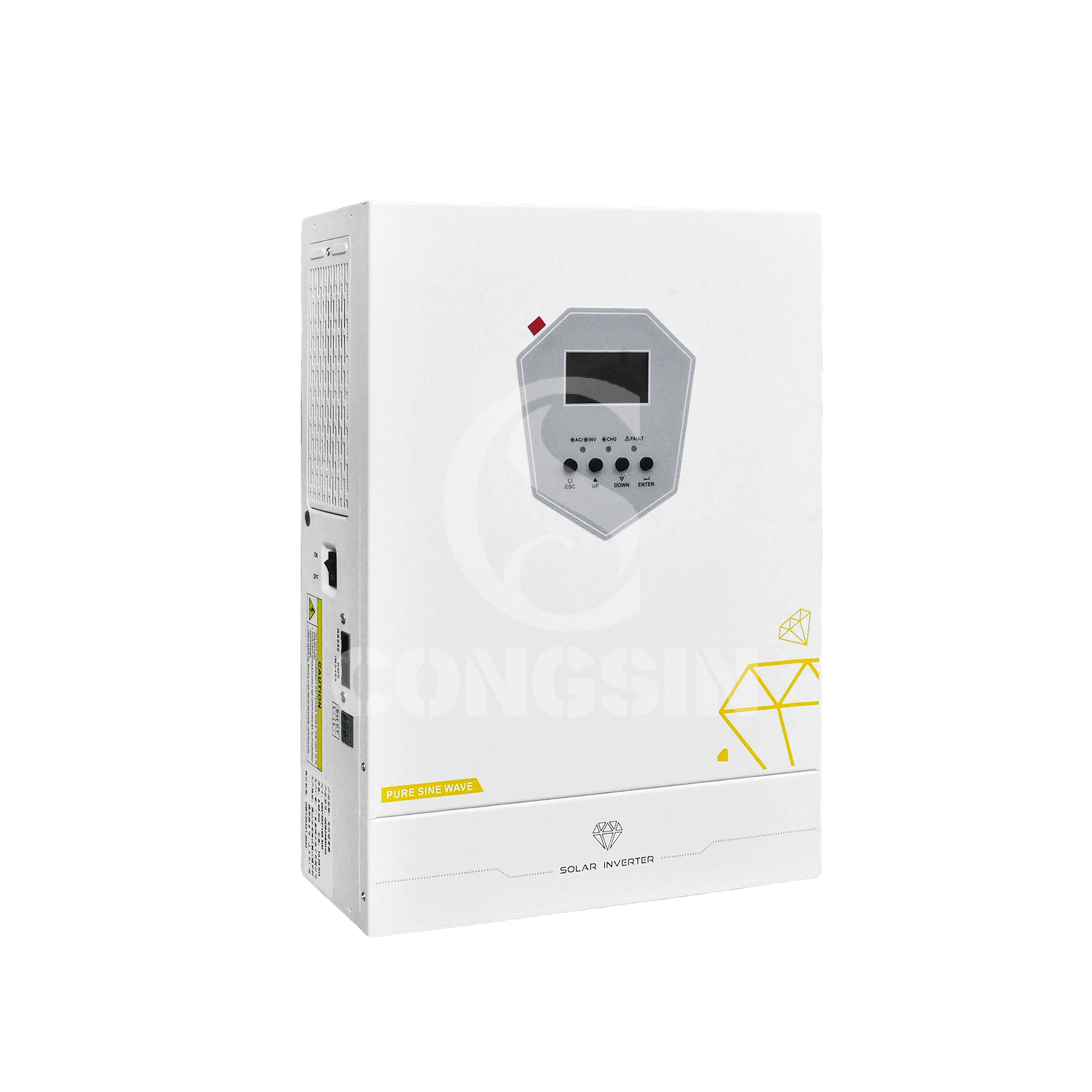
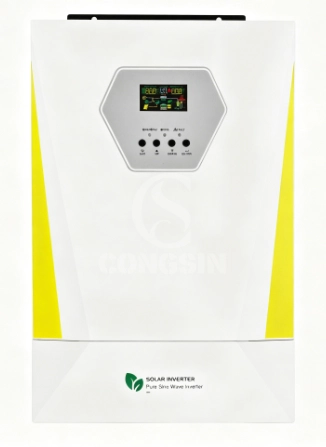
Power your solar system efficiently with the Congsin 4000W and 6000W Hybrid Inverter. Featuring an integrated MPPT Controller, this CE Certified inverter ensures optimal energy conversion. Monitor performance effortlessly via the intuitive LCD Display. Reliable, powerful, and ready for your sustainable energy needs.
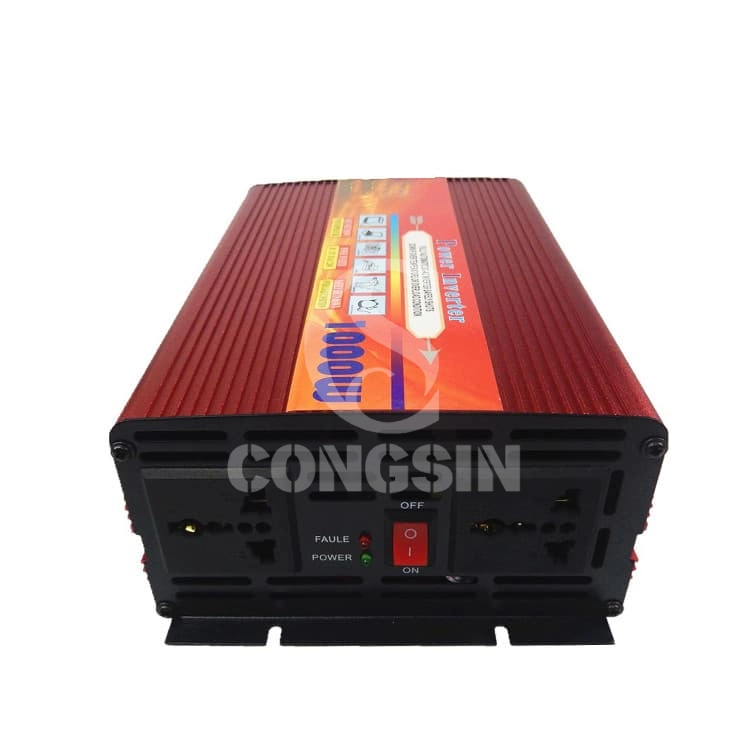
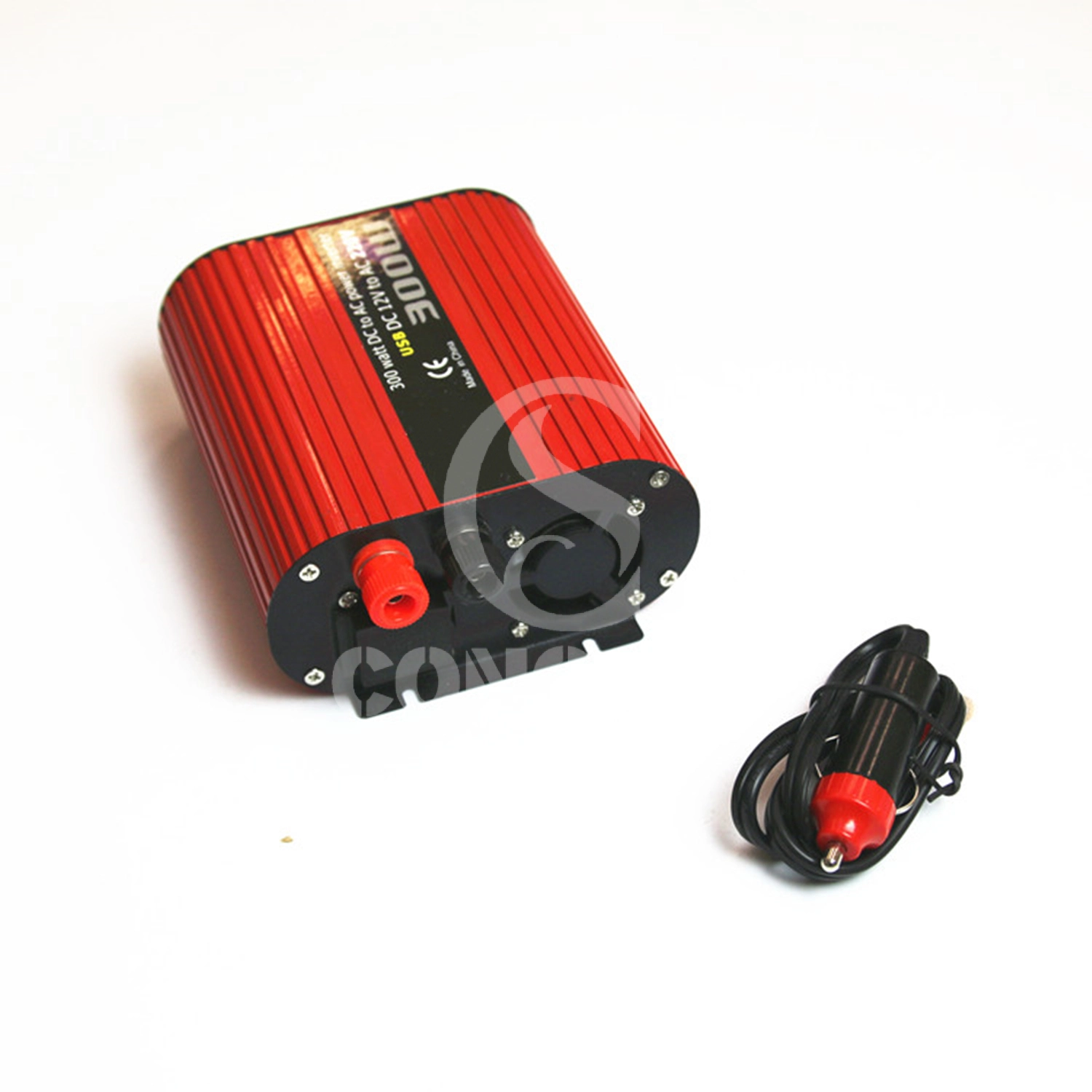
Congsin's Portable 150W Modified Sine Wave Inverter powers your journey! This versatile Car Power Inverter with USB acts as a reliable 12V to 220V converter, ensuring an essential off-grid power supply. With dual USB ports and a universal socket, enjoy convenient power on the go.
Get in Touch with Our Team
You can also communicate with us directly through our online contact form. Please fill in the following information, and our team will contact you as soon as possible after receiving your message.

CONGSIN is a trusted OEM factory for power inverters, solar charge controllers, and DC converters. Reliable solutions for global B2B buyers.
 High Quality
 7/24 Service
 Guaranteed Warranty
© 2025 Congsin. All Rights Reserved.
 WeChat
 Scan QR Code
sin cong
teaimei10
Whatsapp: +8618028086791
Scan QR Code